The media is filled with alarming predictions about Artificial Intelligence, leading many of us to dread the prospect of a world in which human interaction and judgment is replaced by computers.
Perhaps we should take comfort from the words of Pope Leo’s recently published Magnifica Humanitas:
So-called artificial intelligences do not undergo experiences, do not possess a body, do not feel joy or pain, do not mature through relationships and do not know from within what love, work, friendship or responsibility mean.
Network for Africa’s work with survivors of conflict and genocide cannot be replaced by AI because our trauma counselling relies on empathy and instincts that generations of humans have learned on our “inefficient” and “imperfect” journeys through life.
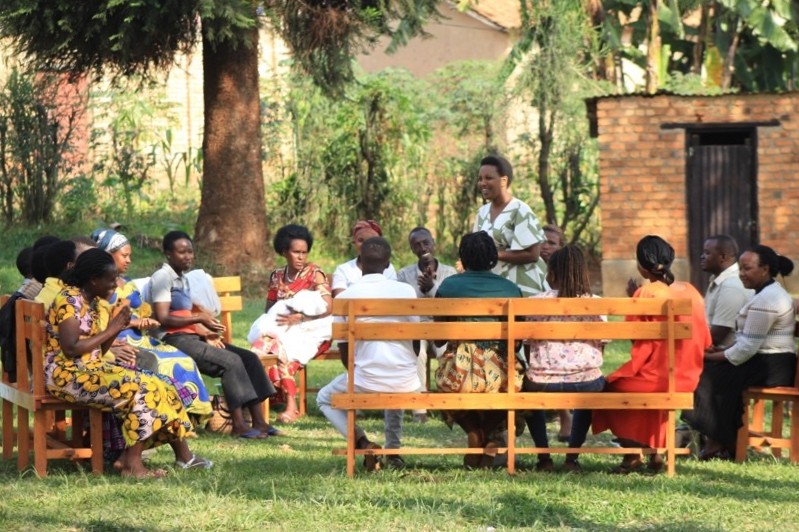
When we conduct our regular surveys, asking the survivors we work with what helps them put their lives back in balance, the overwhelming answer is “other people”. Through our regular group counselling sessions, our survivors find they are not alone when they have been blocked by traumatic memories of the violence they suffered or witnessed. They aren’t unique because they have trouble sleeping or trusting people or planning for the future.
Gradually, sitting in a circle in a village hall or on the grass in the shade of a tree, they find the strength to talk about their experiences and emotions, and they form new bonds of mutual support. Genocide orphans reach across the generations to genocide widows, drawing power from the connection, checking on each other regularly as they go about their lives. Caregivers who were exhausted and isolated, supporting mentally or physically ill relatives alone, can pool their experiences and resources as part of a sharing community.
Pope Leo goes to the heart of how humans develop and learn as we encounter challenges, setbacks and disappointments. AI cannot feel the inner glow of discovering that other people share your enthusiasms or concerns; or the rocket-boost of confidence that comes with knowing you are valued or loved.
Network for Africa’s approach sounds simple and low-tech, but it has been working for centuries. It requires the dedication, patience and empathy of the remarkable teams of counsellors in our partners in Rwanda, Uganda, Burundi and Sierra Leone. Please help us to continue this work by donating. Thank you.
Rebecca Tinsley
Founder, Network for Africa