In 1995, two friends in Oregon created International Talk Like a Pirate Day. They wanted to mock the epidemic of commemorating people, things and events on special days. They were also taking aim at the folks who invent these celebrations in order to sell greetings cards, flowers and boxes of chocolates. Three decades later, Talk Like a Pirate Day continues to be marked and mocked around the world.
International Week of Parental Mental Health
However, we believe that one milestone deserving more attention is the International Week of Parental Mental Health. Parenting is hard enough without the added challenges of caring for children in a war zone or when there has been a natural disaster. Being ever present and perpetually positive is also difficult when you carry your own unhappy personal experiences with you. Millions of parents put on a happy face for the benefit of their family, even when they have a dark cloud hovering over them.
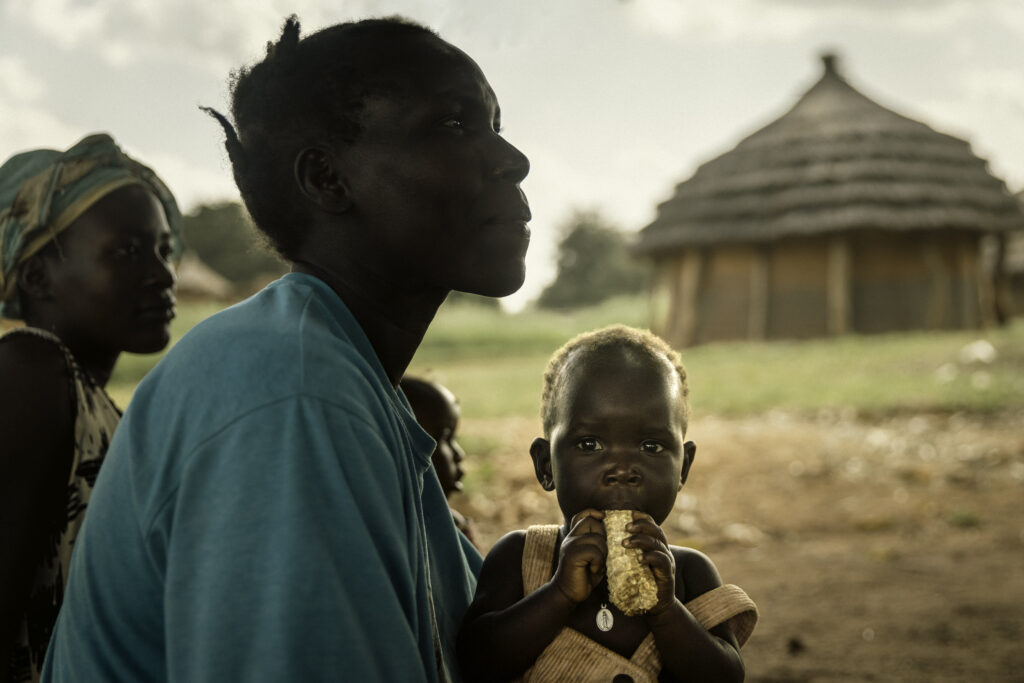
Aid workers in refugee camps often comment that mothers in particular make a heroic effort to create normality for their offspring, even when there is chaos and danger around them. For instance, a woman told us she decorated a birthday cake to look like a tank because she wanted the presence of armed soldiers to seem less scary for her little girl.
Often, when we listen to survivors of conflict, they tell us they have come to Network for Africa for help not for themselves but because they are concerned about what their children have witnessed. This is admirable, but by ignoring their own mental health they double the burden they carry.
Listen and Learn
For this reason, Network for Africa’s partners pay special attention to the caregivers of children with mental health challenges. Often, just the act of listening to their concerns is a helpful first step. So is introducing caregivers to others who are in the same situation. There’s nothing quite like discovering you are not alone, and that other caregivers feel the same frustrations, exhaustion and doubts. Our counsellors equip people with therapy techniques to help them manage their circumstances. To quote Audre Lorde, a writer and civil rights activist:
Self-care is not self-indulgence. It is self-preservation.
We salute our partners in Uganda, Rwanda and Sierra Leone for their determination to care for the world’s caregivers. Please visit our donation page to allow us to continue this work. Thank you.