This month’s blog is written by Samuel Munderere, the director of our Rwandan partner Survivors Fund (SURF).
More than three decades after the 1994 Genocide against the Tutsi, the emotional and psychological scars for many survivors in Rwanda remain. Time has passed, but the pain of loss of family, of safety, of a childhood lingers quietly in daily life. Anxiety, isolation, grief, and memories that resurface without warning are constant companions, particularly during commemoration periods.
Doing this work we have learned that healing cannot be handed down from outside. It must grow from within communities, nurtured and guided by survivors themselves. Peer counselling groups have become one of the most powerful ways this happens, offering a space where survivors are seen, heard, and believed by those who truly understand.
Genocide survivors carry unimaginable losses: loved ones killed, families torn apart, homes abandoned, and years spent in fear. These experiences leave deep emotional wounds. Trauma, depression, and loneliness are often hidden behind quiet resilience. While professional mental health services are essential, access is limited – especially in rural areas. Distance, stigma, and cost often prevent survivors from seeking help. That is why SURF champions approaches that are accessible, culturally rooted, and built on human connection.
Our Peer Counselling Groups, made possible through funding and support from Network for Africa, have brought survivors together in small, structured sessions led by trained peer counsellors; people who have themselves endured the trauma of genocide. With professional mental health practitioners providing oversight, these sessions create a safe, supportive environment. Beyond group meetings, peer counsellors visit participants at home, ensuring care continues in everyday life.
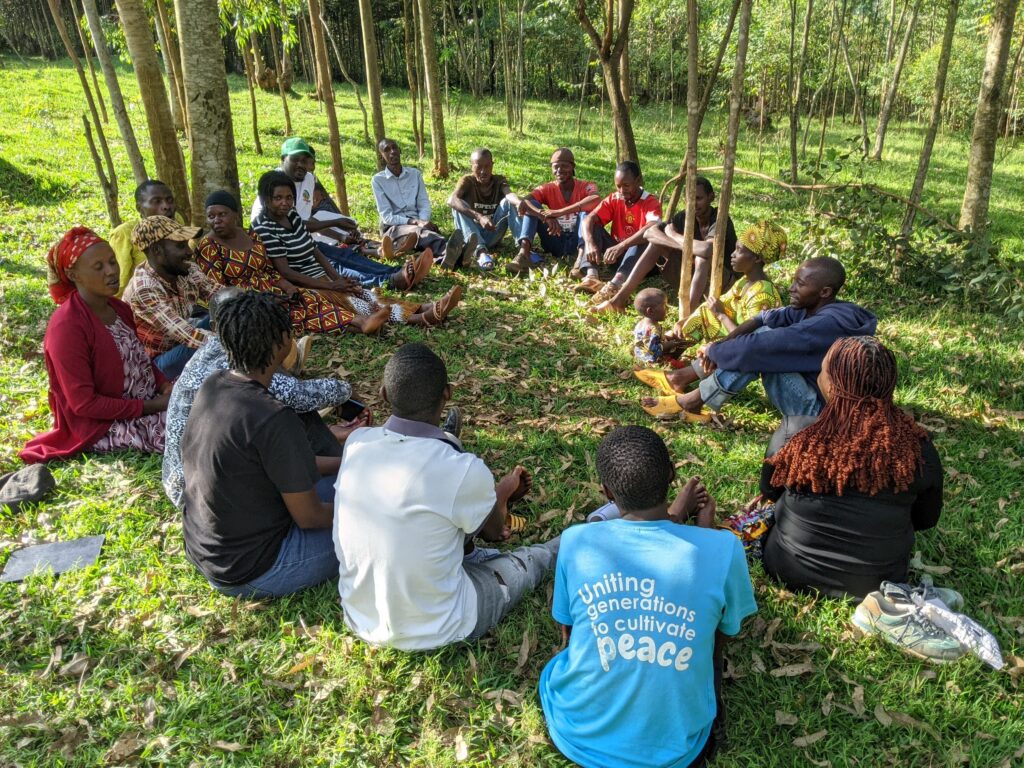
In these groups, survivors are invited to speak or remain silent at their own pace. Many say it is the first time they have felt safe enough to share their stories. Over time, they begin to name emotions that have been hidden for years, learn strategies to cope with trauma, and feel less alone. Listening transforms into trust. Pain gradually opens a space for hope.
Before the group, I felt I was carrying my grief alone, like a stone in my chest. But here, I can speak, cry, and be heard. For the first time, I feel like I am not broken by my past.
Southern Province Peer Counselling Group participant
This has accomplished more than just healing emotional wounds. It has restored dignity and agency. As survivors support each other, they have rediscovered strength and confidence, taken on leadership roles within their groups, and become beacons of support for others. Healing is shared, not shouldered alone.
Emotional healing and economic stability are intertwined. Peer counselling groups connect participants to savings and livelihood initiatives. After completing counselling sessions, participants receive training in entrepreneurship and financial management. Through a Loan Guarantee Fund set up with microfinance institutions, participants with viable business ideas can access start-up capital at reduced interest rates to bring to life their entrepreneurial ideas.
For many survivors often excluded from formal financial systems this access is transformative. Small businesses emerge, incomes increase, and families are supported. Loans are repaid and recycled, enabling other survivors to benefit. This approach restores self-reliance while preserving dignity and choice.
The counselling gave me strength, and the small loan allowed me to open a tiny shop. I feel I can now provide for my children without depending on anyone. Healing and hope came together for me.
Eastern Province Peer Counselling Group participant
The journey of healing from genocide trauma is long and deeply personal. Peer counselling does not erase the past but it helps survivors live with it differently. Through shared stories, mutual care, and collective resilience, survivors remind each other: I see you. I believe you. I walk with you.
Please visit our donation page to enable Network for Africa to continue working with our partners in Africa.